Villa San Martino
Albenga (SV)
Location: Albenga (SV)
Type: residential
Intervention: interior fit-out and bespoke furnishing project
Year: 2025
Client: private
Area: 250 mq
Project: Elisabetta Pavia
Collaborators: Vincenzo Pavia architect, Pavia & Pavia International Design studio
Furniture: Baxter Made In Italy, Gallotti & Radice, Minimal Cucine, Pavia & Pavia International Design
Lighting: Baxter Made In Italy, Catellani & Smith, Davide Groppi, KDLN, Oluce
Furnishing Accesories: Amini, Carpet Edition, Arcade Murano
Photo: Valentina Esposito
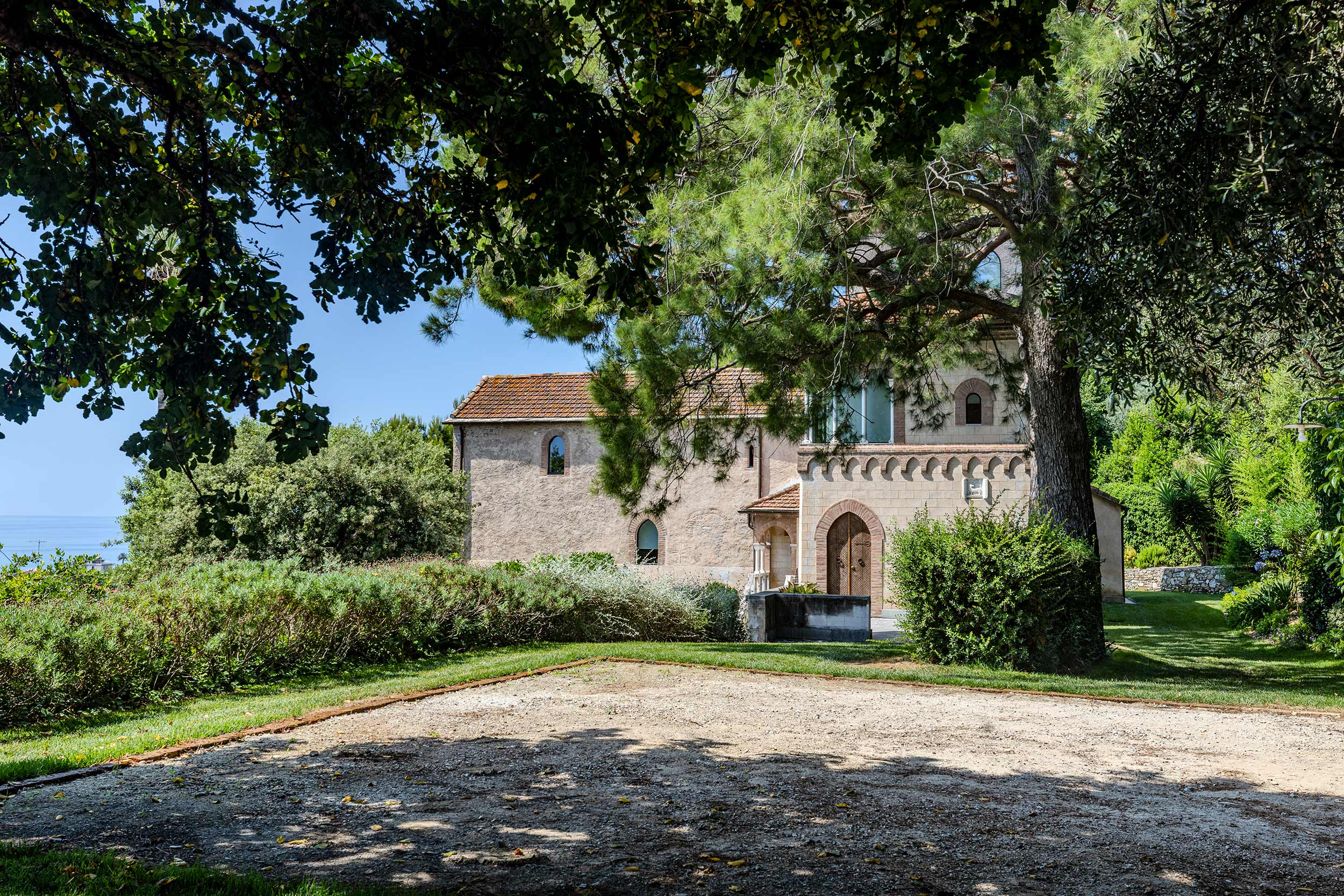
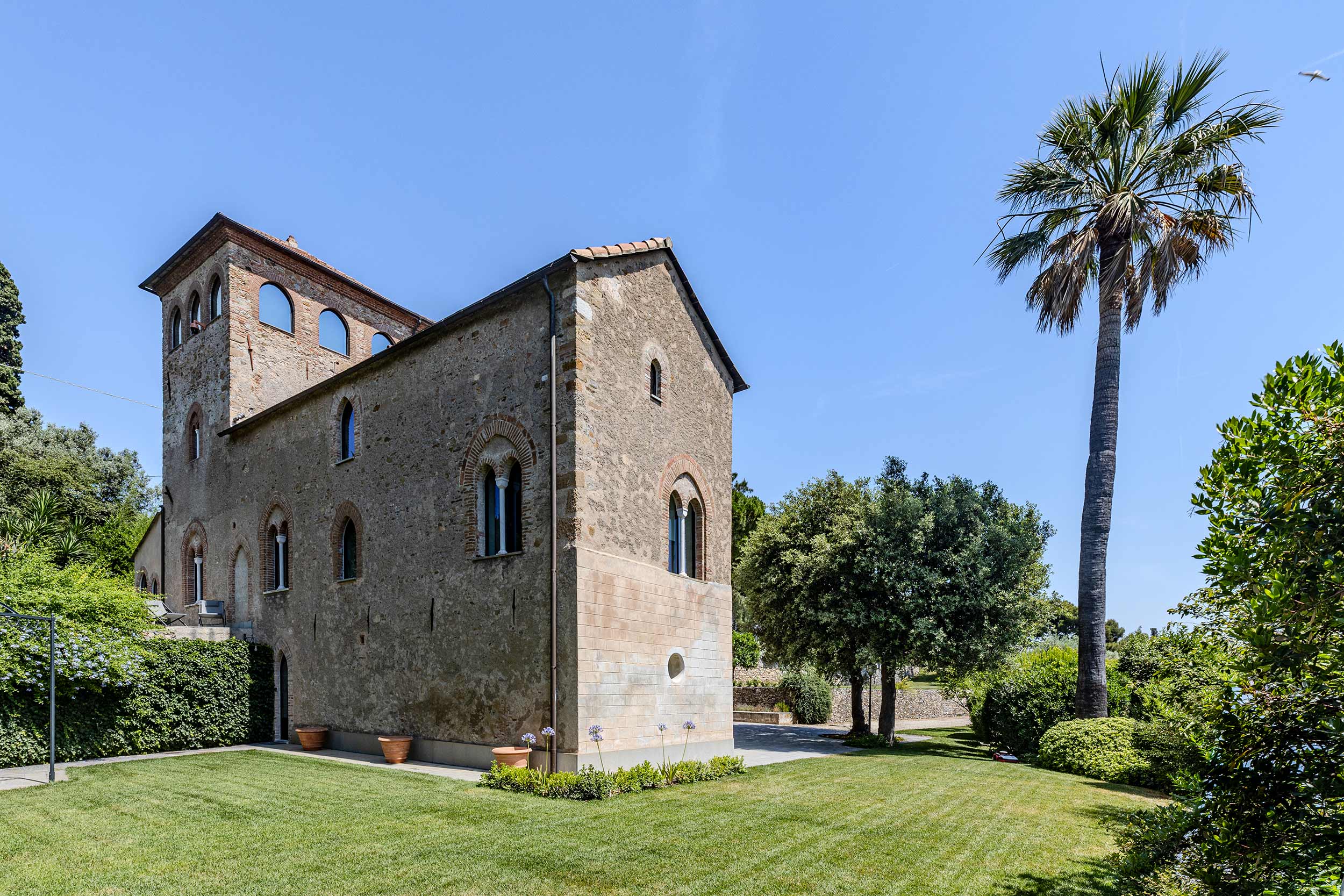
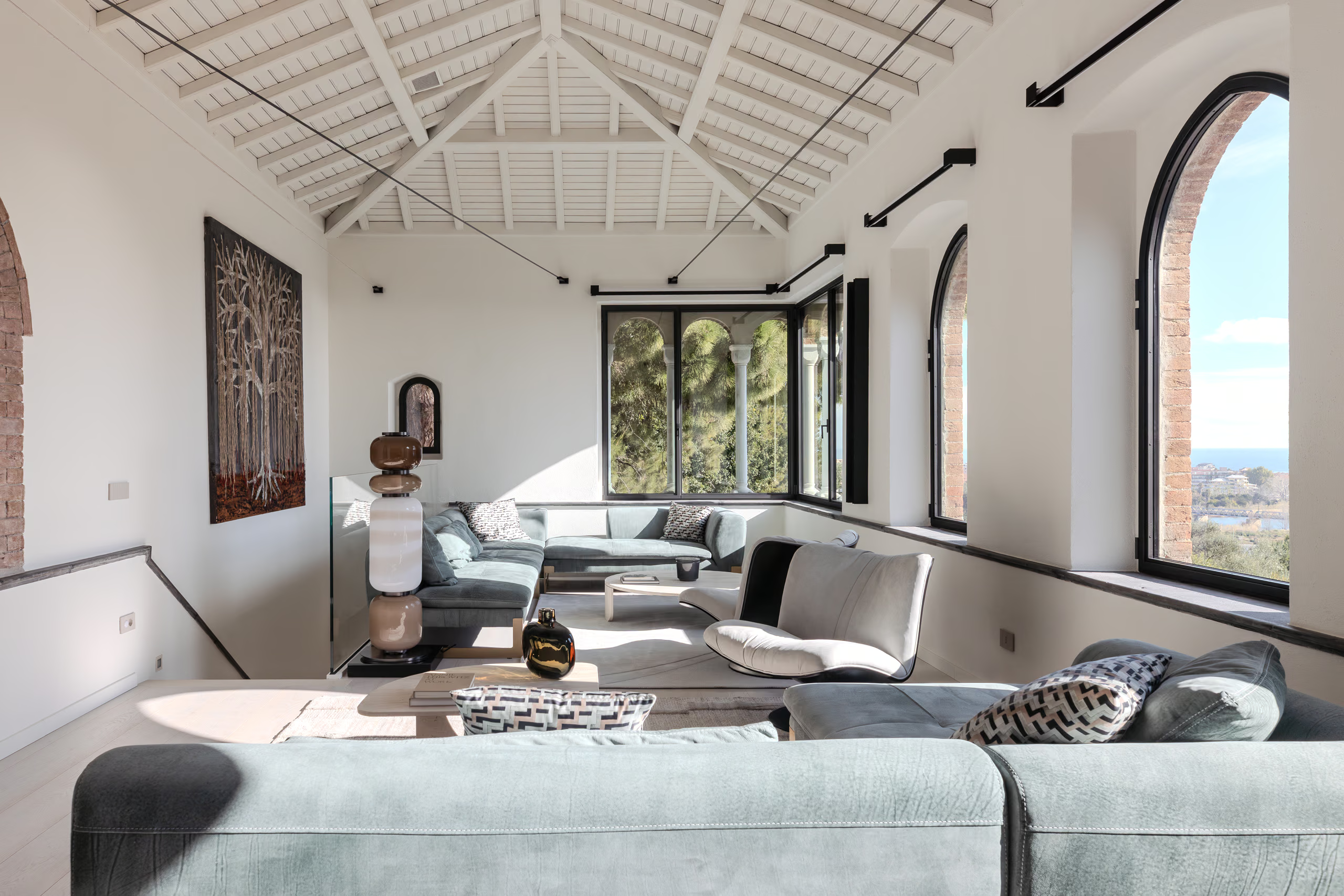
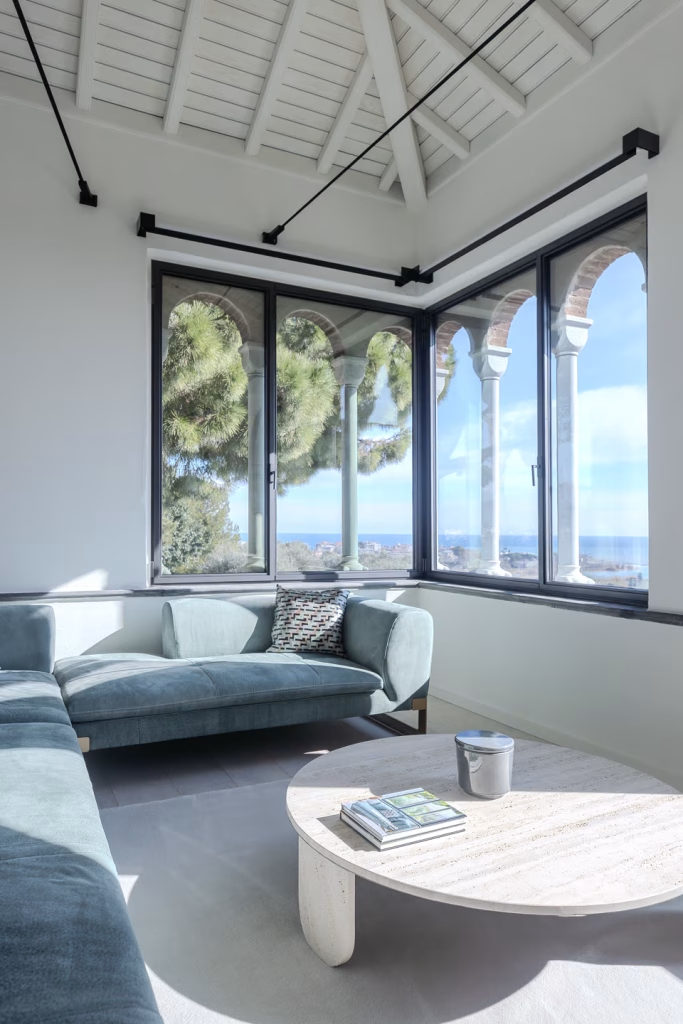
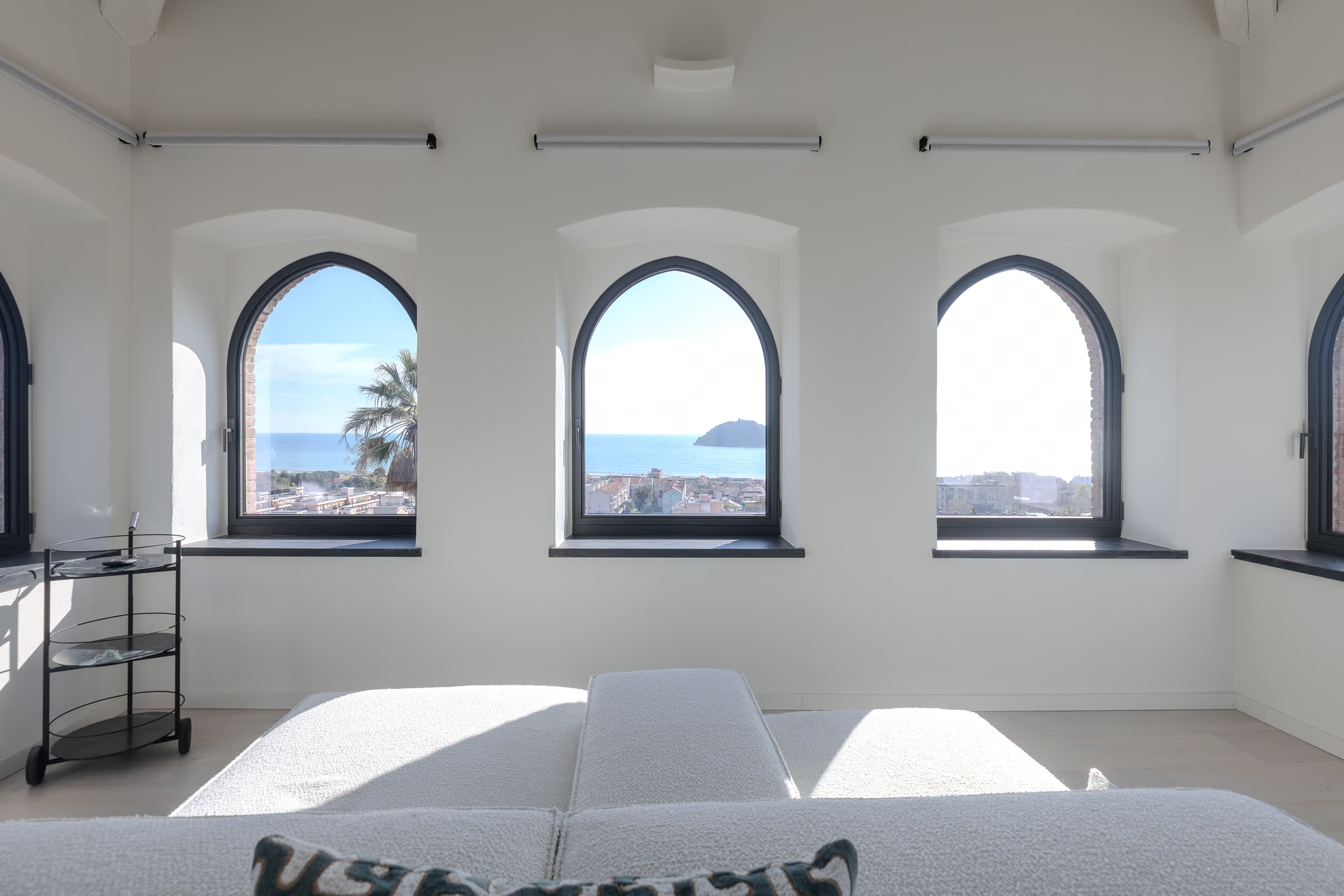
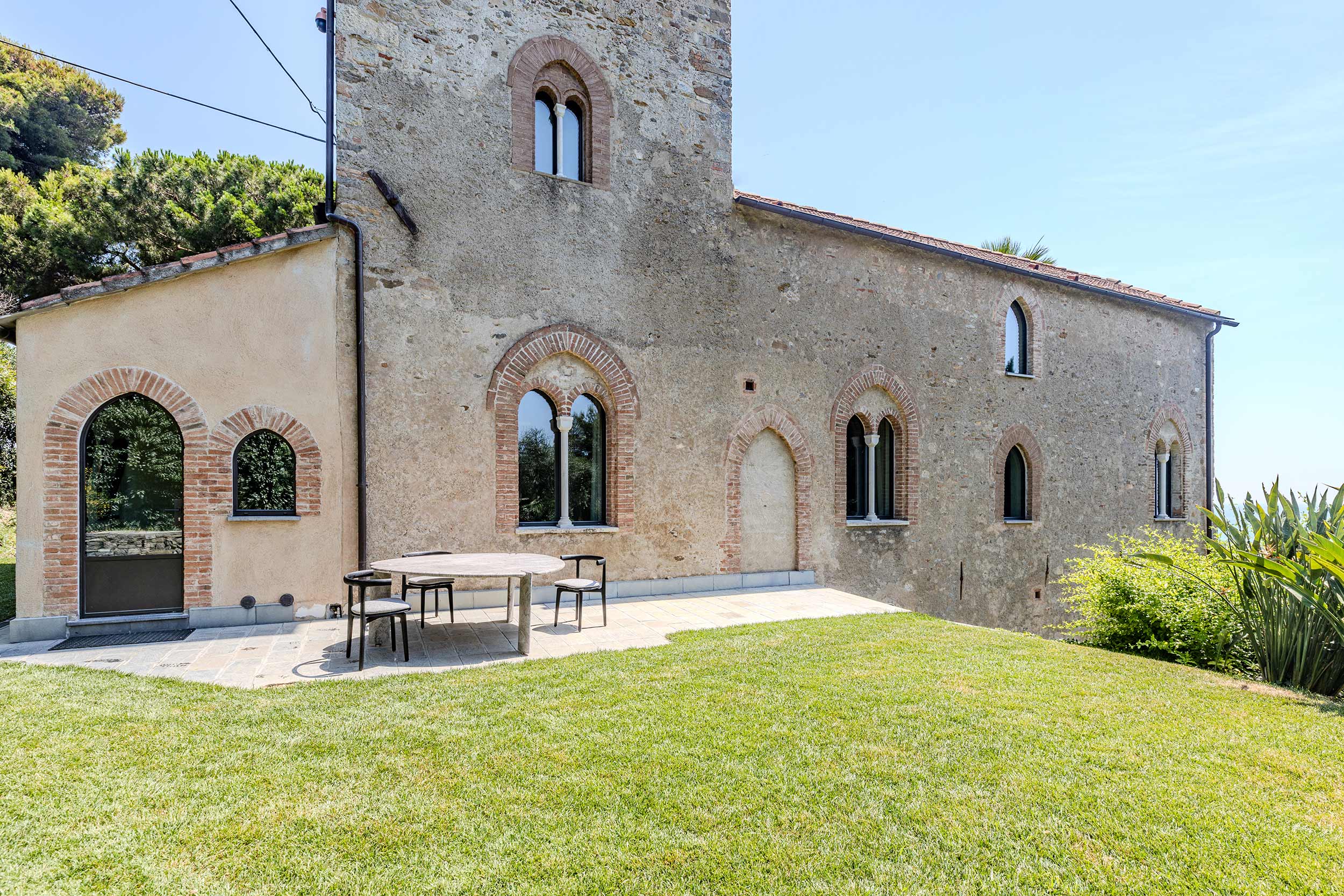
Villa San Martino, a former medieval abbey overlooking Isola Gallinara, is now a contemporary residence that preserves more than a thousand years of history. Founded in the 10th century as a monastic seat linked to the Benedictines of Gallinara and transformed in the late 19th century into a Neo-Gothic villa by Alfredo d’Andrade, the building stands as a rare example of architectural stratification, where medieval memory, historicist reinterpretation and contemporary restoration coexist in balance.
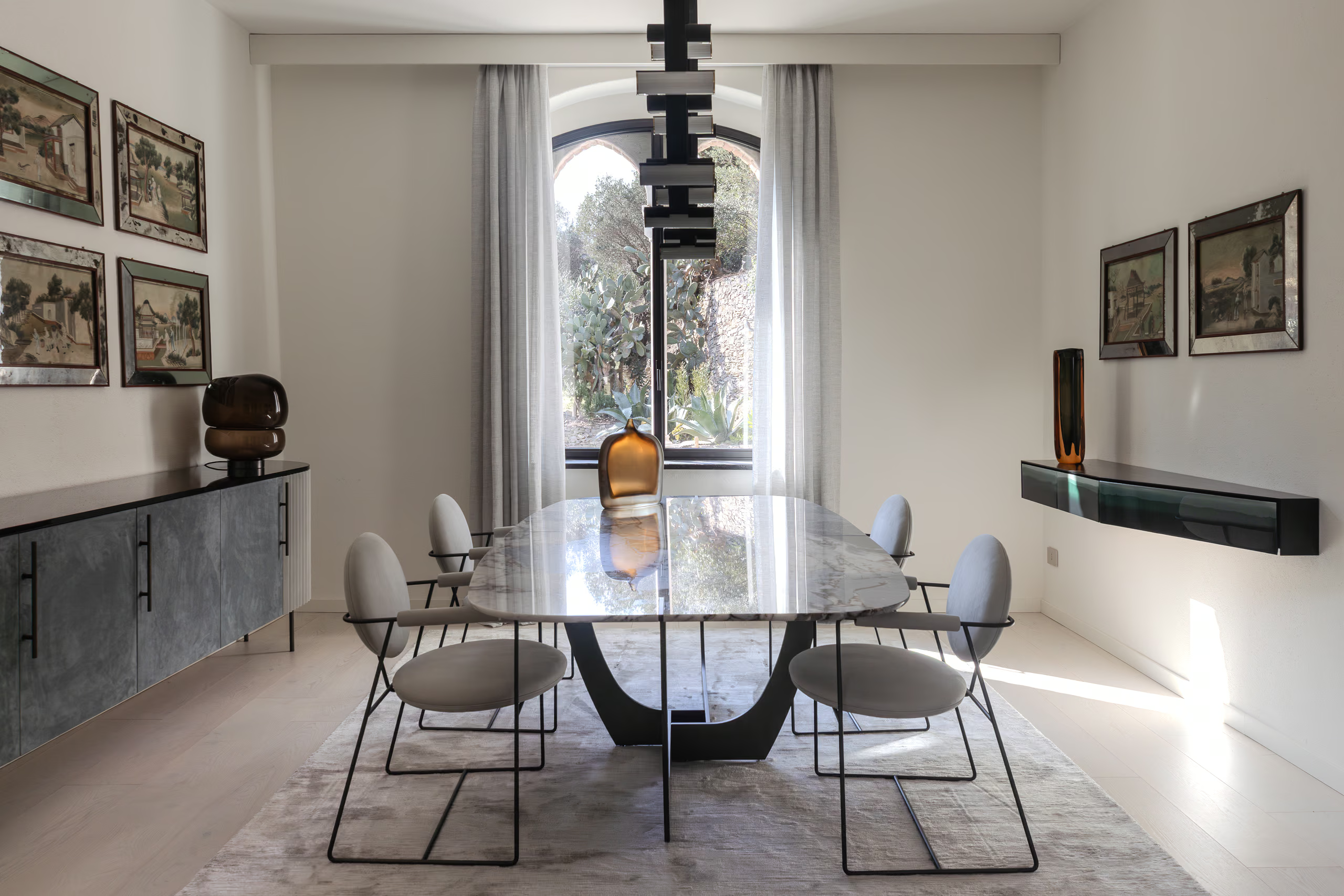
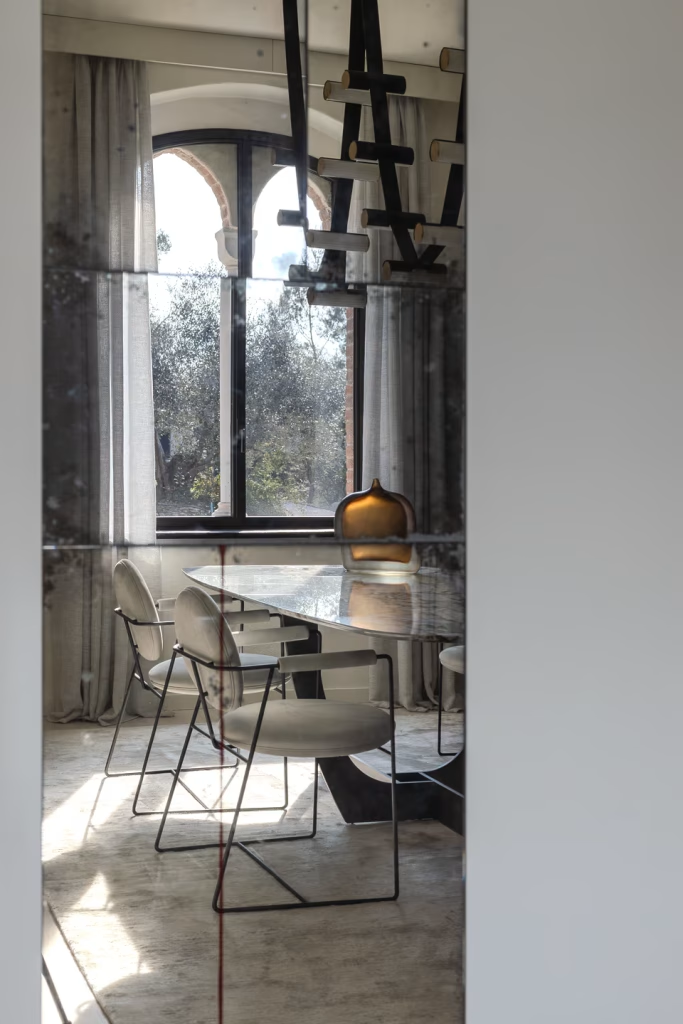
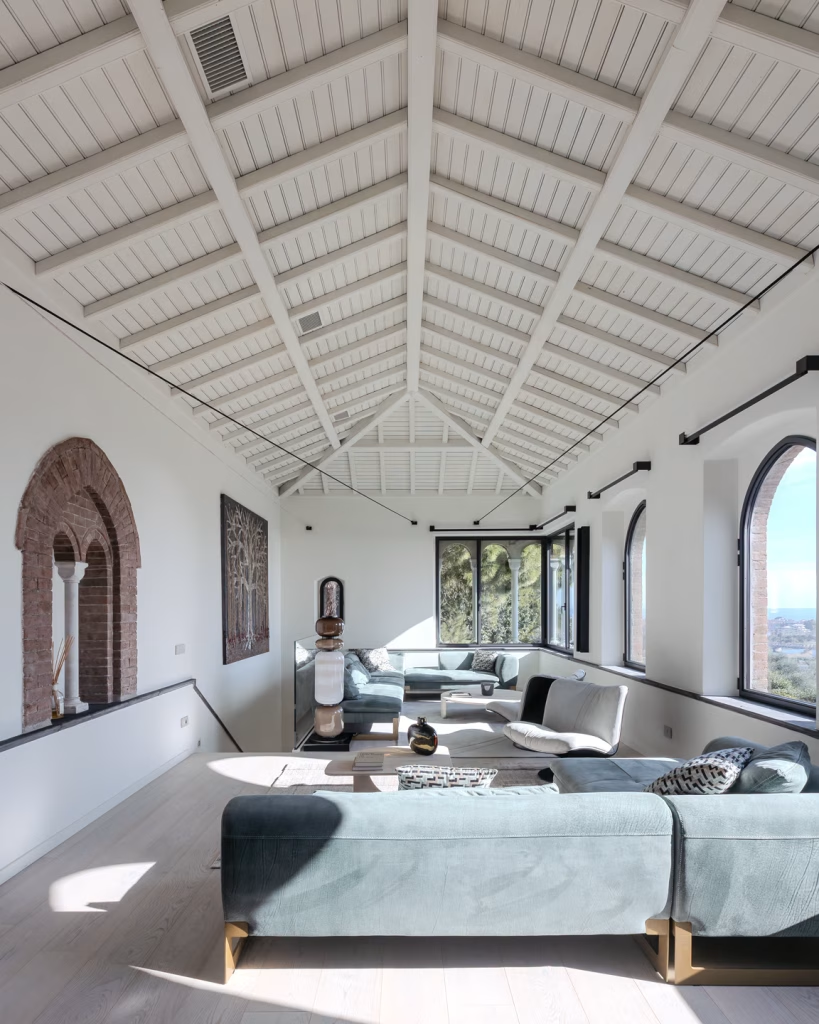
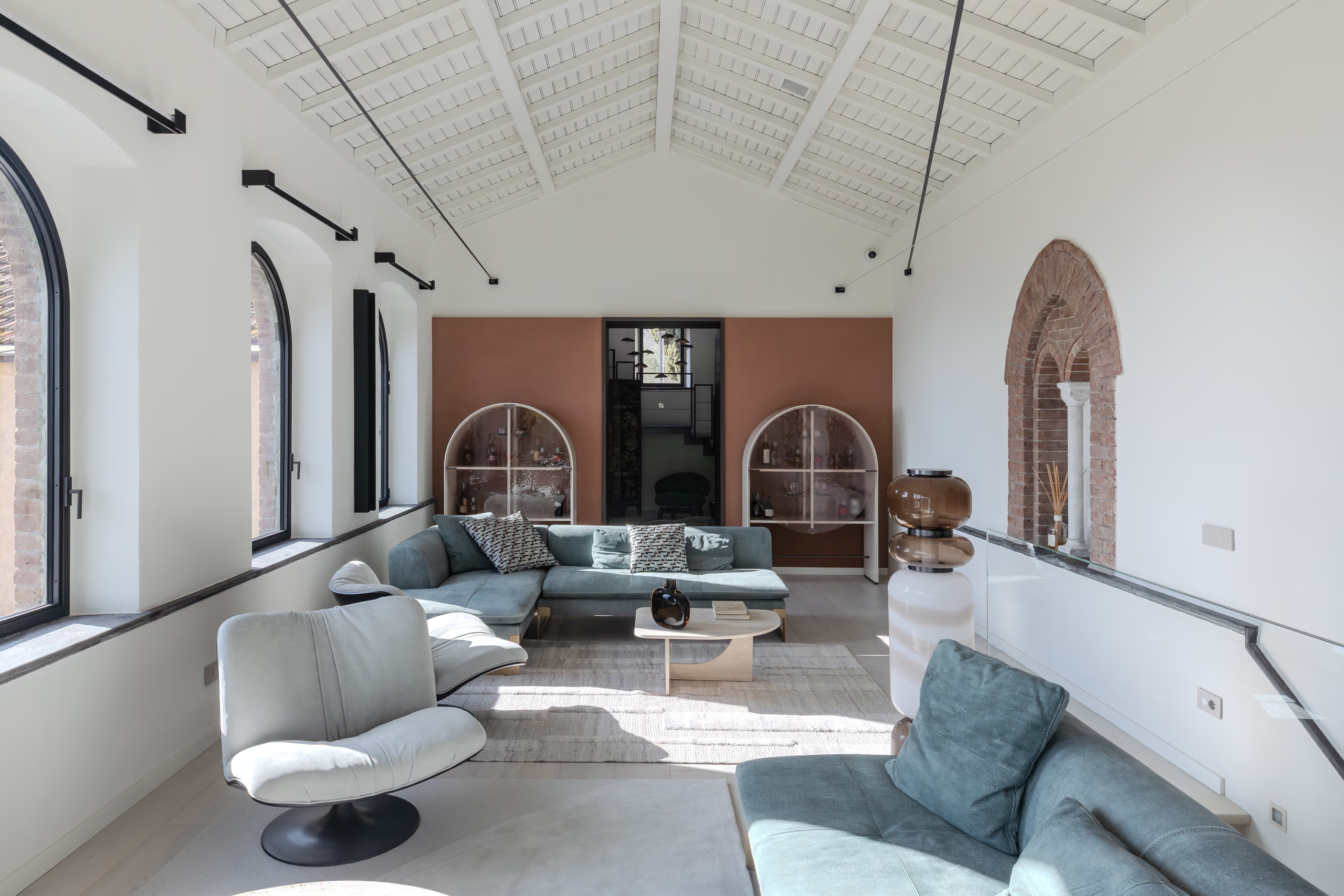
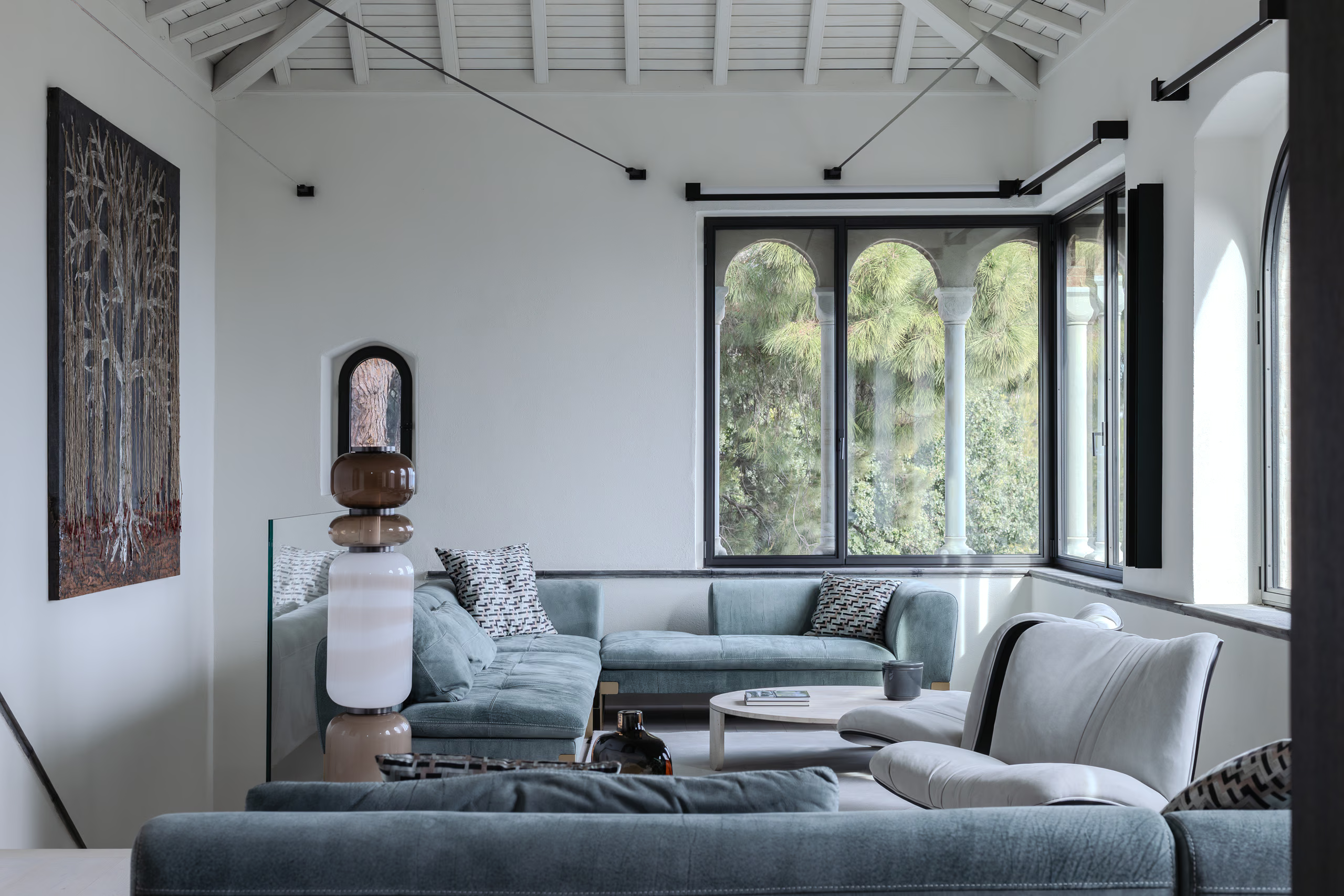
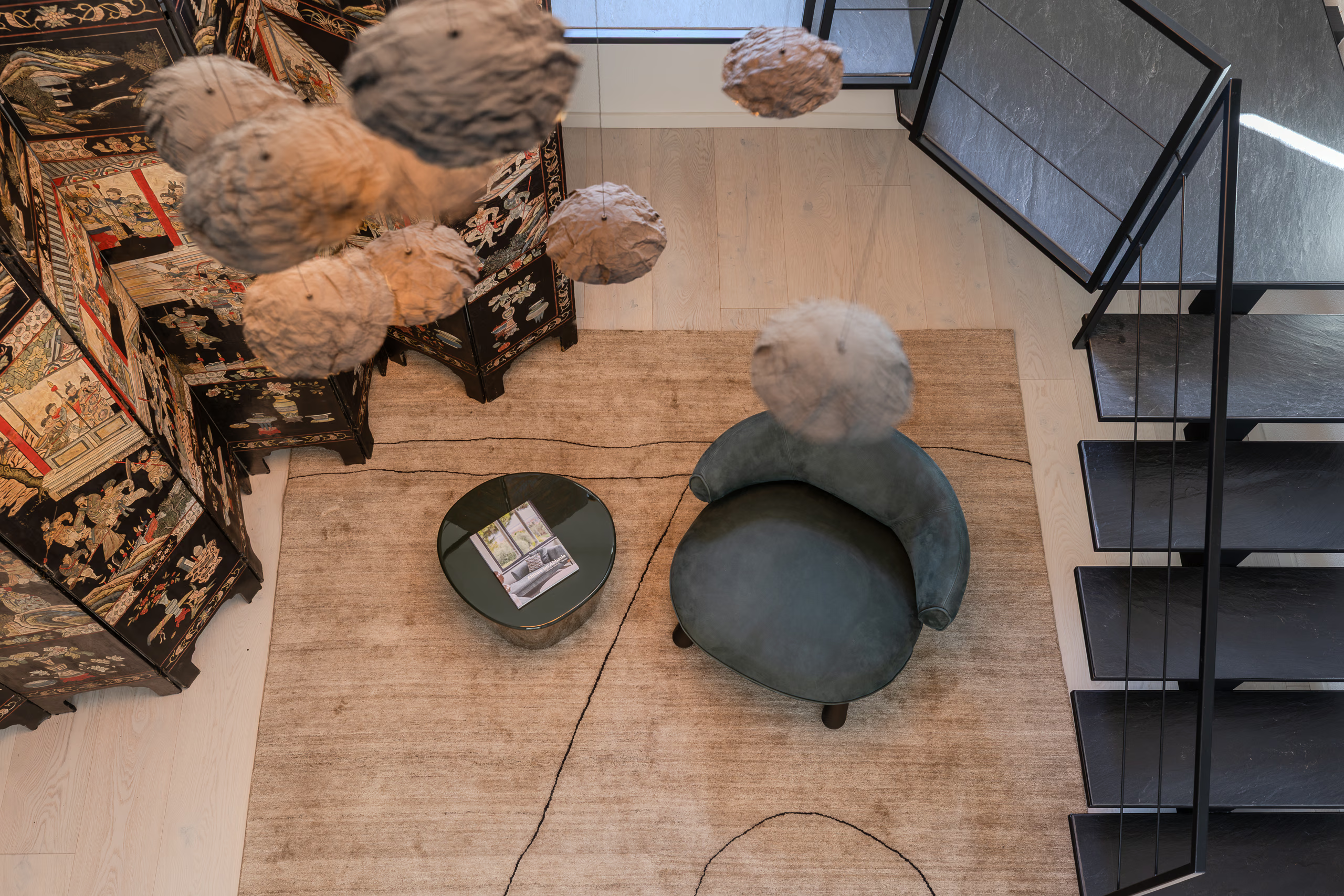
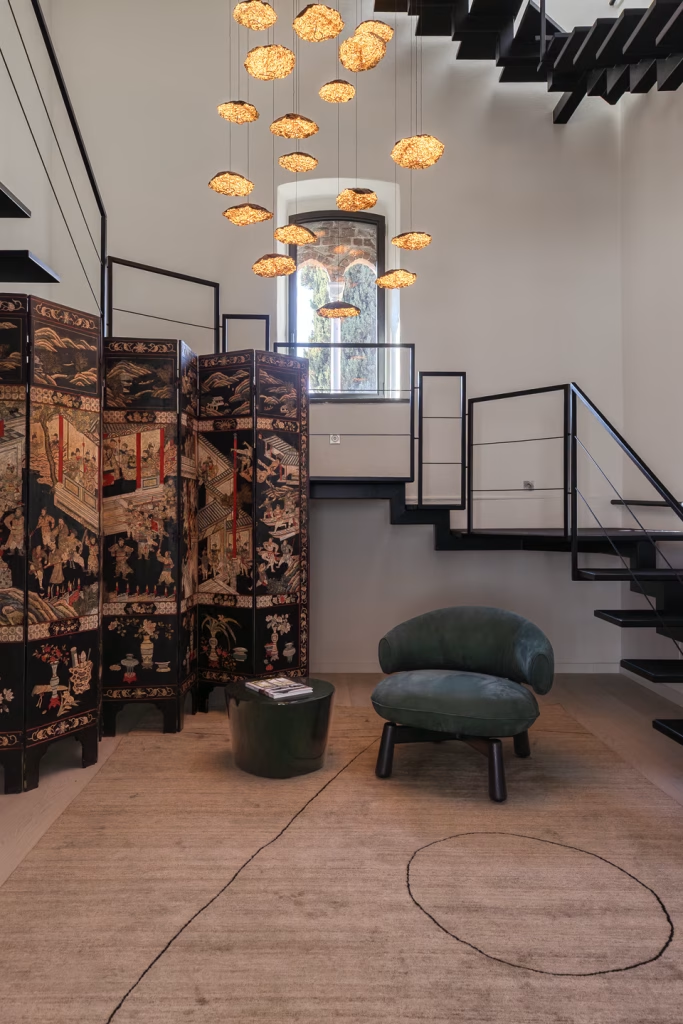
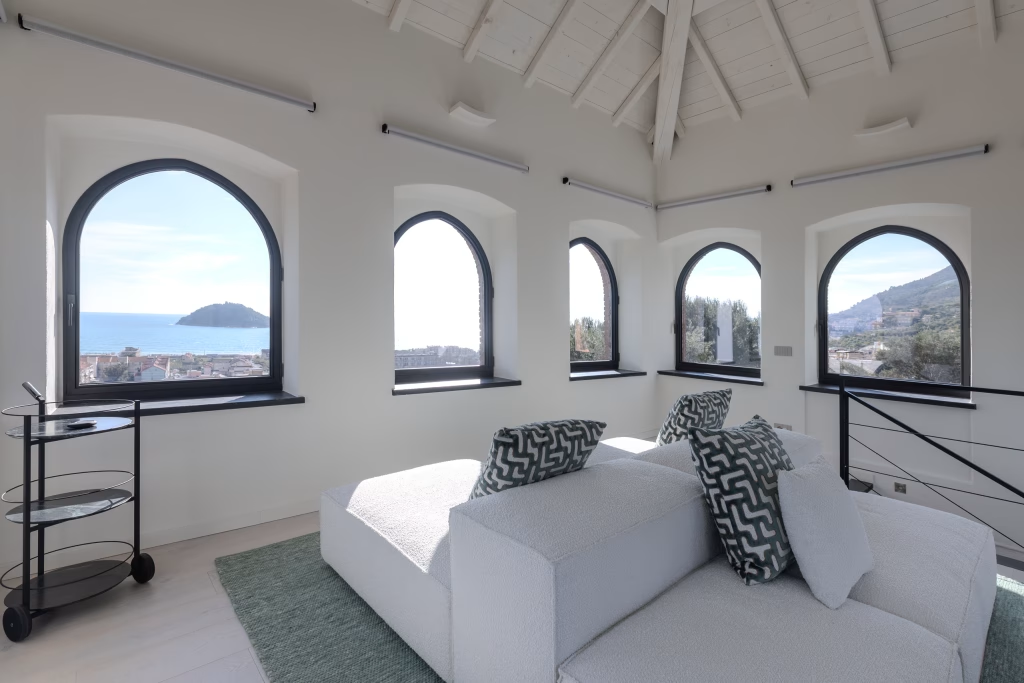
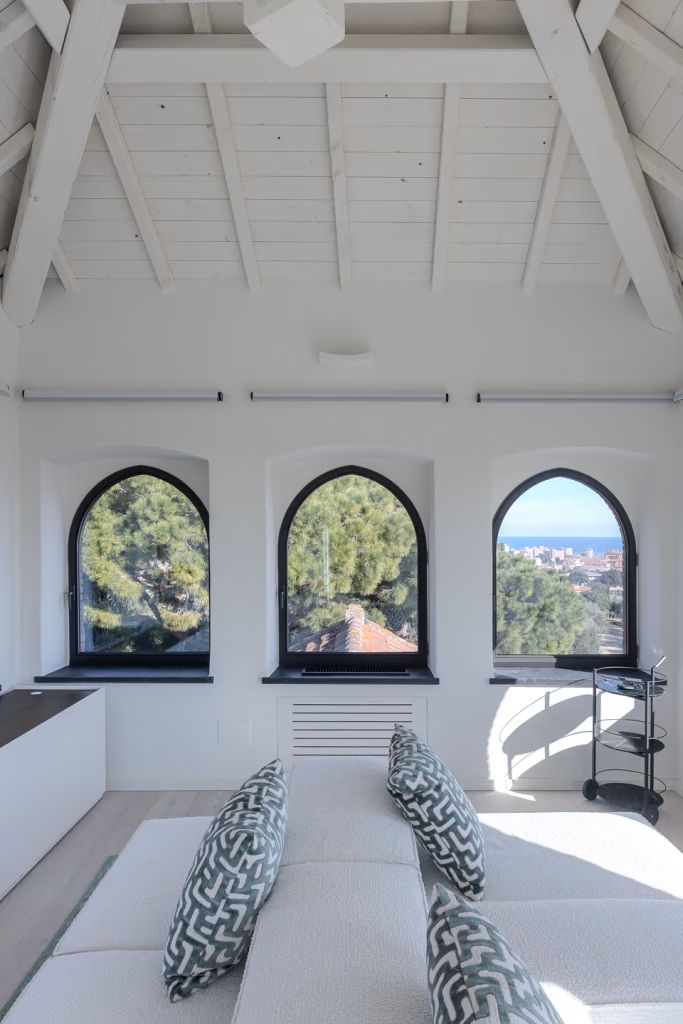
The interior design project by Pavia & Pavia International Design positions itself as the latest layer in this palimpsest, addressing a precise challenge: transforming spaces originally conceived for aristocratic representation into present-day living environments without compromising their identity or character. The approach avoids both formal rupture and nostalgic pastiche, opting instead for a measured dialogue with pointed arches, slate portals, stone surfaces and vertical volumes.
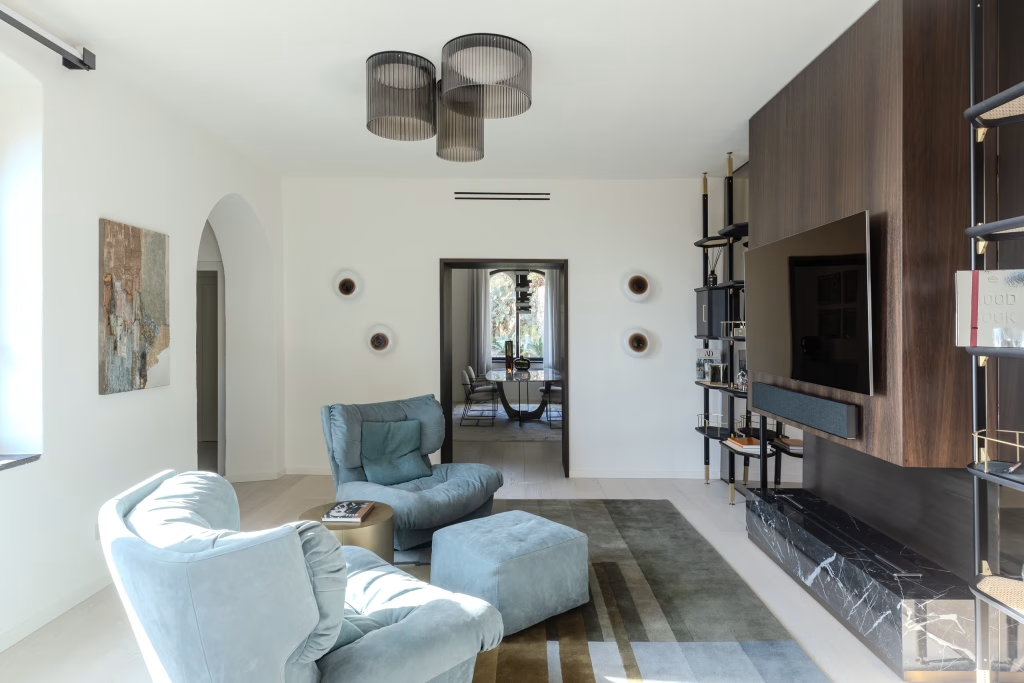
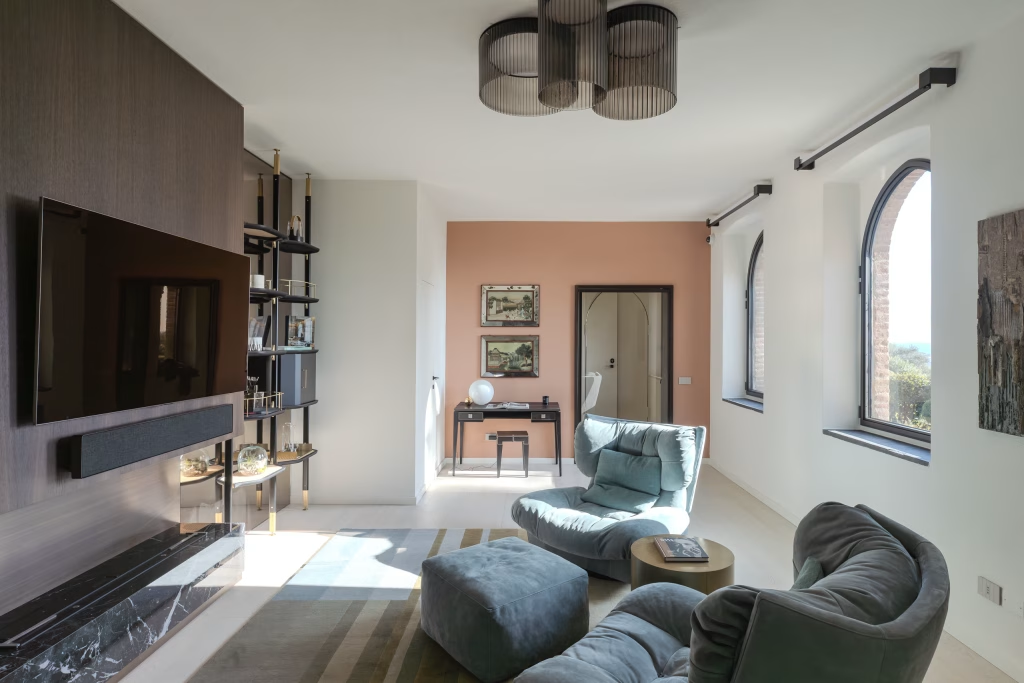
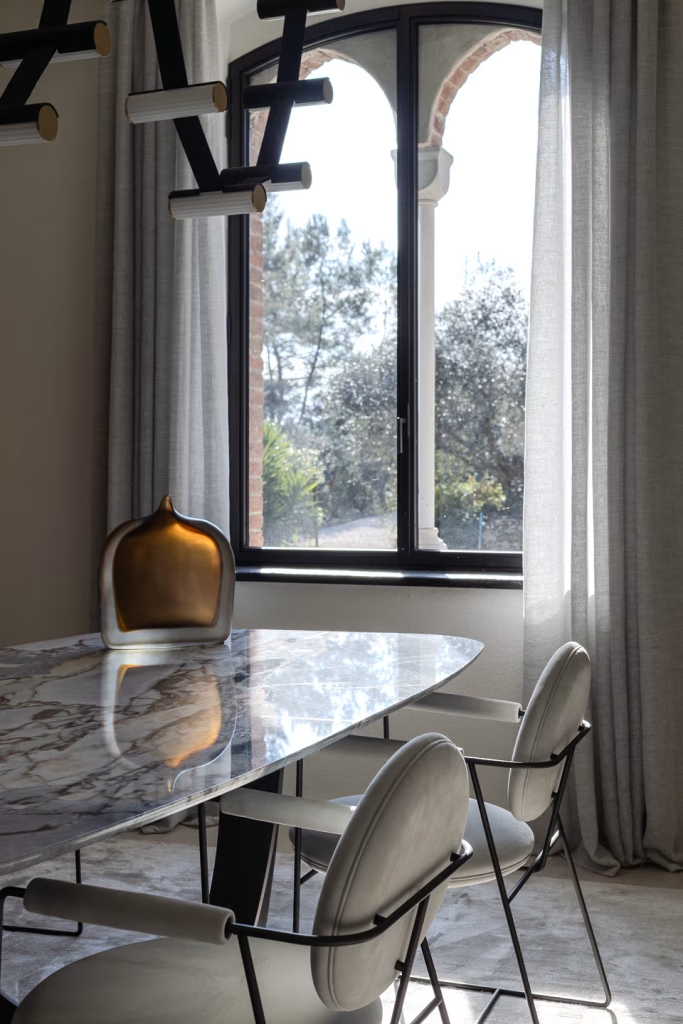
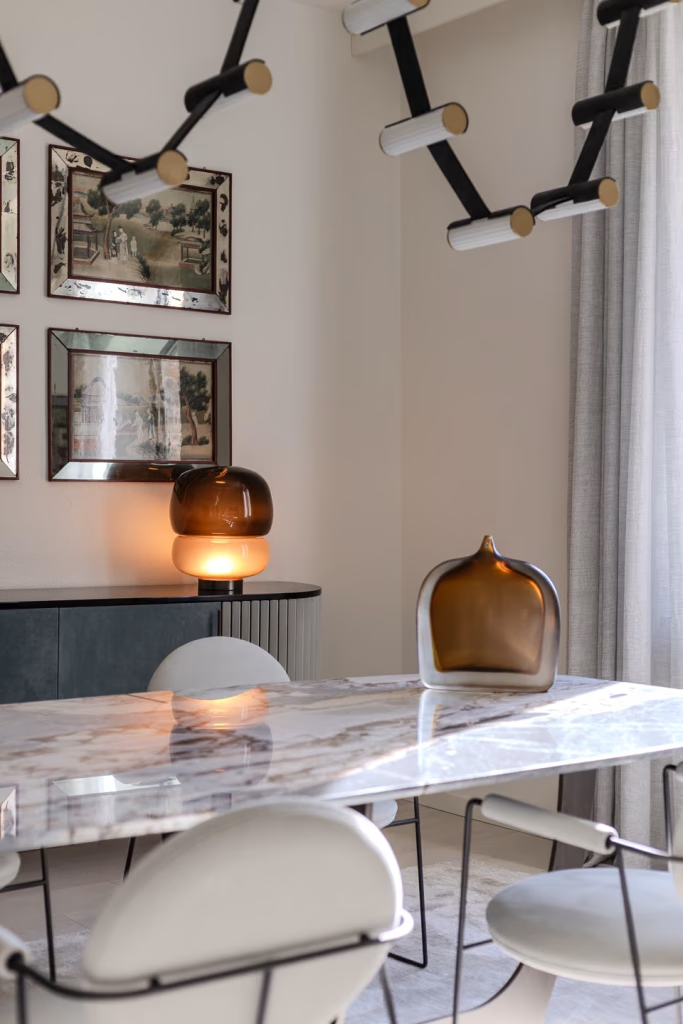
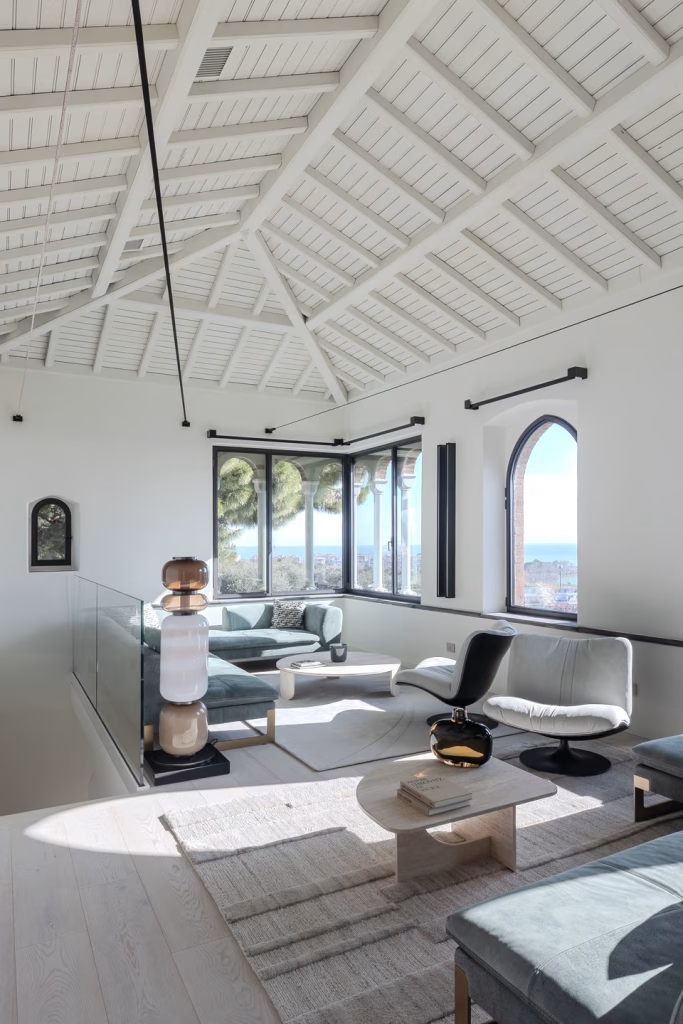
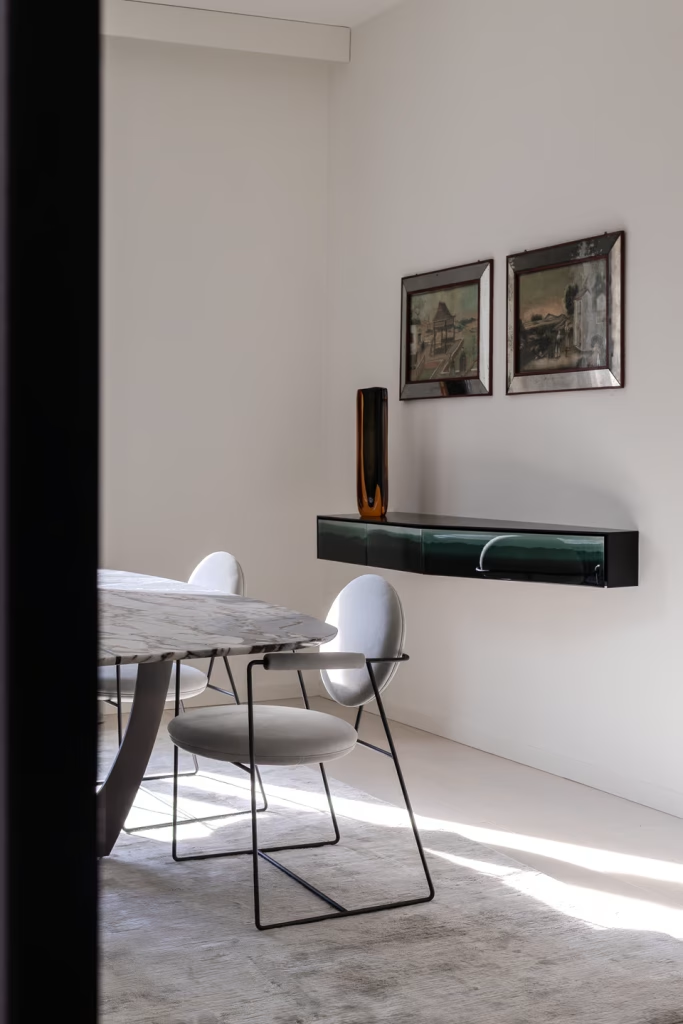
Baxter furnishings, alongside selected pieces and numerous bespoke elements, introduce authentic materials—full-grain leather, burnished metals, marble and natural woods—capable of resonating with the building’s historic materiality. Spatial zoning is achieved through the calibrated placement of furniture rather than invasive partitions, preserving the architectural continuity of the piano nobile and enhancing the large openings towards the Ligurian landscape.
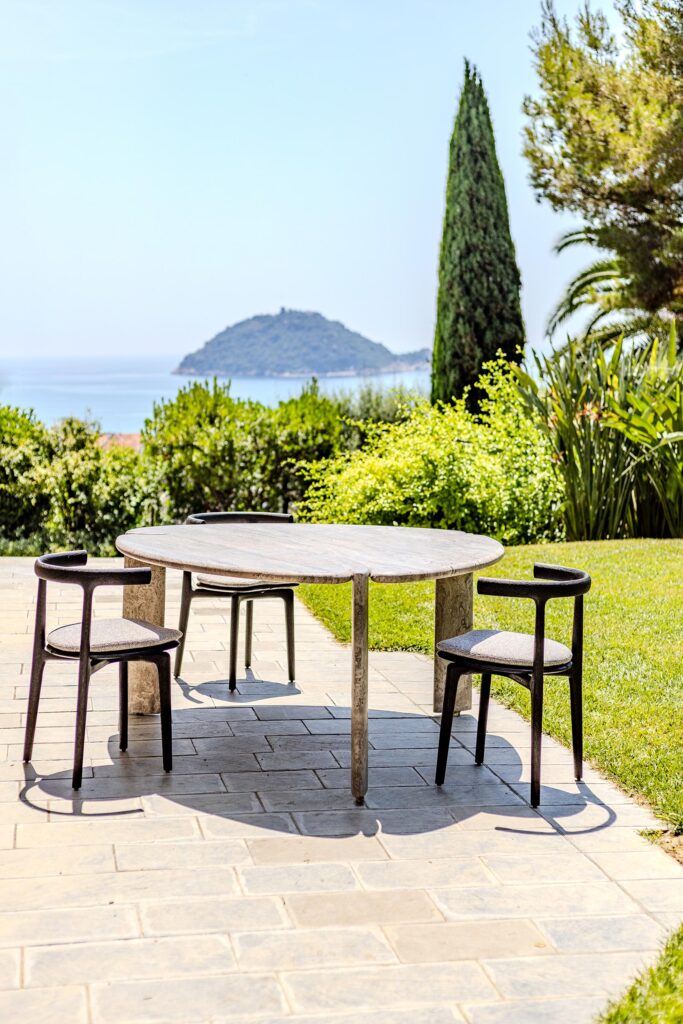
Outdoors, a small living area engages with the Mediterranean vegetation and the view over the Ingauna plain, reinforcing the relationship between architecture and nature. Indoors, light, texture and warm tonal palettes shape intimate atmospheres that reconcile contemporary comfort with respect for historical traces.
Villa San Martino demonstrates how informed adaptive reuse can transform a monumental complex into a modern dwelling while keeping each historical layer legible. The project confirms that heritage is not a formal constraint but a narrative framework upon which new functions can be grafted, restoring vitality and residential quality to a place deeply rooted in memory.